
TL;DR — Sandals sell from March but are built months earlier: sample in October–December, confirm bulk by February, deliver for spring. Buyers who plan on this calendar get the styles they want; buyers who start in March get what is left.
Every year the same scene repeats: in March, as the weather turns, buyers call factories asking for sandals "as fast as possible" — and discover that the fast window closed months ago. Footwear runs on a counter-seasonal calendar: summer styles are developed in autumn, sampled in early winter, and produced in late winter. Here is the timeline we work to, and what it means for your buying plan.
The Month-by-Month Timeline
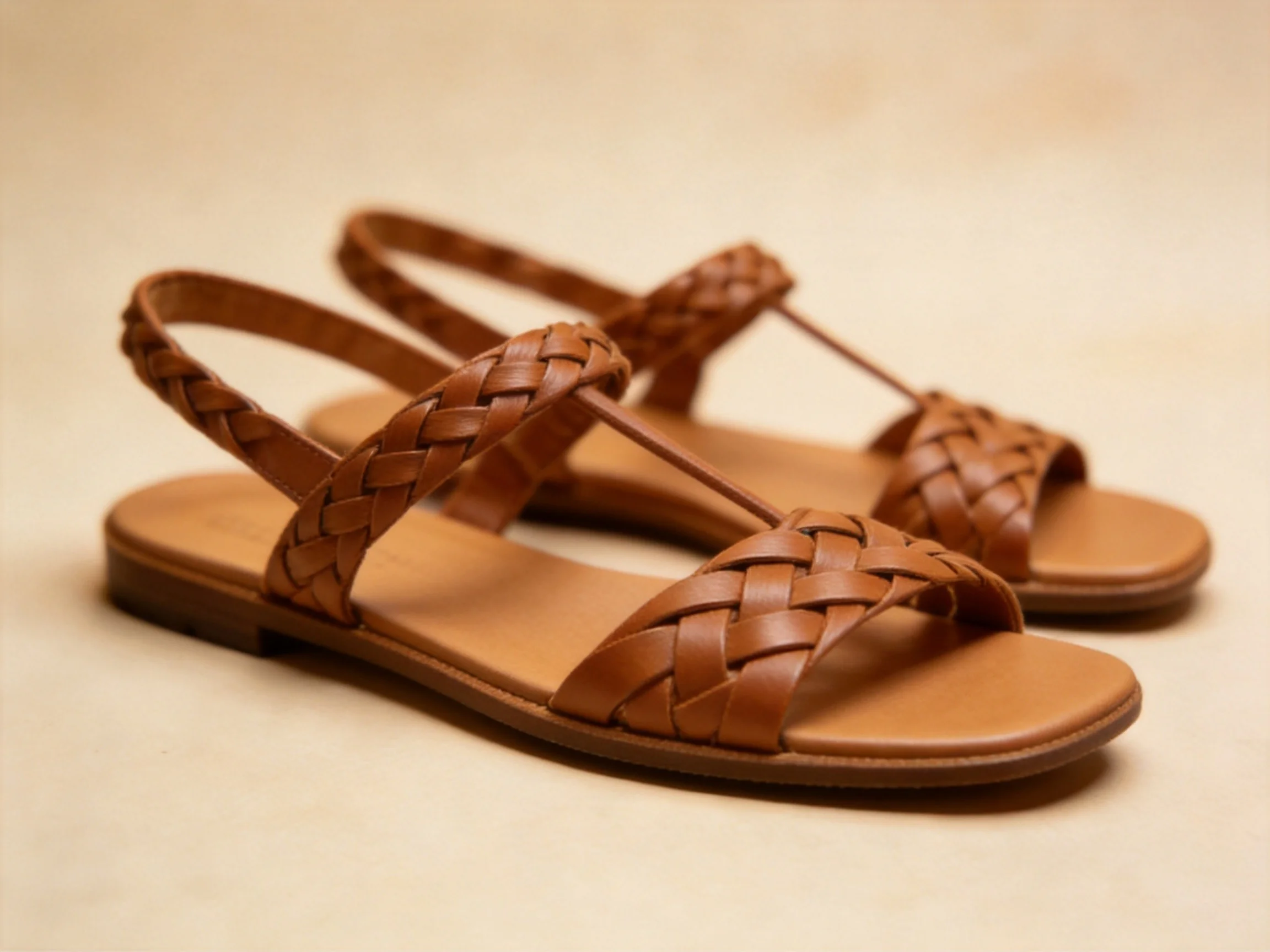
October–November: development. Styles are selected, materials sourced, samples made. Sampling runs 7–12 days per round, but most styles need two rounds — a first sample, corrections, a confirmation sample. Budget a month for this stage, not a week.
December–January: confirmation. Samples are approved, size runs and colorways locked, materials booked. Leather and sole suppliers also run on lead times — booking material early is what makes February production slots possible.
February–March: production. Bulk production runs 20–35 days after confirmation. This is the factory's peak season for summer styles; lines fill on a first-confirmed basis.
March–April: shipping and delivery. Sea freight adds weeks depending on destination; air freight compresses it for smaller, urgent lots. Goods land as the season opens.
April–June: the season, and the reorder window. Styles that sell can be repeated — on existing patterns a rerun is 20–35 days, so a winner confirmed in April returns before peak summer.
Why the Calendar Is Unforgiving
Three things make sandal timing tighter than other categories:
- The selling window is short — sandals peak for one season; a delivery that lands in August is dead stock at full price
- Materials are seasonal too — cork footbeds, woven uppers and specific sole compounds have their own supplier lead times that stack onto factory scheduling
- Every buyer wants the same months — February–March capacity goes to whoever confirmed first
If You Are Starting Late
Starting in spring does not mean skipping the season — it means changing strategy. Existing-pattern styles skip development: pick from the catalog, approve materials, and production starts in days, not months. That is exactly what our 100–200 pair MOQ is for: a tight, fast capsule of proven styles beats a late, ambitious custom range. Alternatively, buy for the Southern Hemisphere — Australia and surrounding markets open their sandal season around December — or place the early order for next year at the calmest factory scheduling of the calendar.
The One-Habit Fix
The buyers who never stress about sandals share one habit: they sample next summer's styles while the current summer is still selling. When our line is producing someone's June reorder, their October samples are already moving. If you take one thing from this calendar, take that — the season you should be working on is always the next one.
Planning Next Season's Sandals?
Send your styles now — samples in 7–12 days, and your line is locked before the spring rush.
Get a Wholesale Quote Send an Inquiry