TL;DR — Judge a Chinese shoe supplier on material grades, lab reports, sample discipline and export paperwork — not catalog photos. This seven-point checklist is the same one we would use if we were buying.
Sourcing GuideHow to Source Genuine Leather Women's Shoes from China: A Buyer's Checklist
China produces more footwear than any country on earth, which is exactly the problem: for every solid factory there are a dozen suppliers who photograph well and deliver badly. The difference rarely shows in a catalog — it shows in material grades, lab reports, sample discipline and paperwork. This seven-point checklist is the same one we would use if we were buying. Run any supplier through it, us included.
1. Start With the Material, Not the Catalog
"Genuine leather" tells you almost nothing. It legally covers both the dense top layer of the hide and the loose lower layer hiding under a polyurethane coating — two materials with very different costs and lifespans. Before you compare prices between suppliers, make sure you are comparing the same grade. Our breakdown of top-grain versus split leather shows the thirty-second fold test and what to write into your spec sheet. A supplier who cannot tell you which grade a quotation assumes has answered your question already.
2. Ask How the Factory Tests Its Materials
Quality claims are cheap; test reports are not. Ask two questions. First, the chemistry: are material batches tested against EU REACH requirements? The items that matter for footwear are nickel release, heavy metals, azo dyes, phthalates, formaldehyde and PAHs — the substances European customs and platforms actually screen for. Second, the physics: tensile strength of straps and uppers (ISO 17708), flexing endurance over 150,000 cycles (SATRA TM92), and slip resistance on dry and wet surfaces (SATRA TM144). A serious factory answers with standard numbers, not adjectives. Our own material batches are third-party tested against exactly these requirements, and the reports are available on request with any inquiry or sample order.
3. Sample First — Always
Never let a bulk order be your first quality check. Hold the leather, fold it, wear the shoe for a day, and compare every detail against what was quoted. Sampling policies also reveal how a factory thinks: at Pandasoles, in-stock styles ship as free samples — you cover only the courier — while custom development carries a sample fee quoted by style, since new patterns and molds involve real work. Either way, samples move in days, not months. The full routine, including the twenty-minute inspection to run when the box arrives, is in our guide to shoe samples, costs and timelines.
4. Understand the MOQ Before You Fall in Love With a Style
Minimum order quantity is where attractive prices go to die. A quotation that assumes five hundred pairs per color is useless if you planned to test the market with fifty. Ask for the MOQ per style and per color, and whether it flexes for a first order. In-stock styles generally start low; custom development starts higher because the pattern, last and mold work has to be amortized. We published our honest numbers — and the reasoning behind them — in MOQ explained. Whatever a supplier tells you, get the MOQ in writing on the quotation itself.
5. Verify Export Readiness
Making shoes and exporting shoes are different skills. A factory that exports regularly holds a customs registration, issues proforma invoices without being chased, and speaks fluently about incoterms — FOB, CIF, DDP — rather than improvising at the shipping stage. Ask who handles export declaration and request the registered entity name, then cross-check it against the business license. If the company name on the invoice differs from the factory you negotiated with, ask why before money moves.
6. Test Communication Before You Test Production
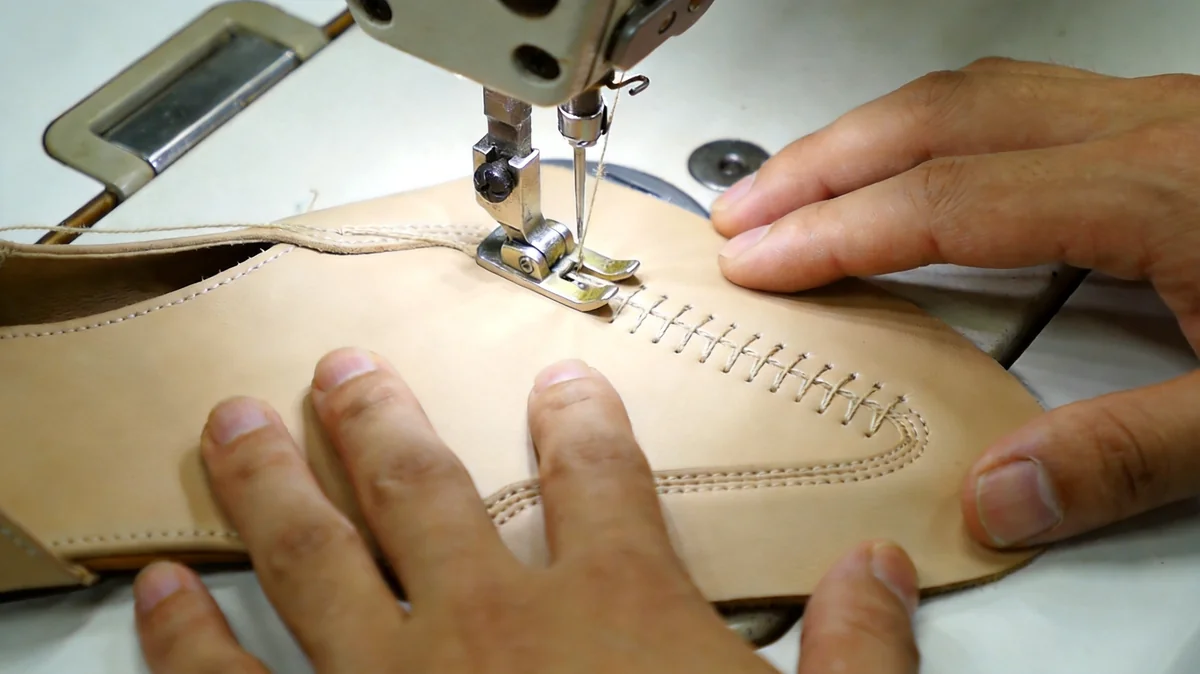
Responsiveness during the inquiry stage is the factory's best behavior — it only gets slower after you pay. Note how long replies take, whether answers address your question or circle it, and whether the person you talk to can reach the workshop floor. Then ask for a live video call from the production line. A real factory walks you through cutting, stitching and lasting without hesitation. For deeper assurance, third-party inspections are standard practice: buyers arrange and pay for the inspection service, and a confident factory welcomes the visit. You can see how our own inspection stages work as a reference point for what a thorough process looks like.
7. Red Flags Worth Walking Away From
- No test reports, ever. "We never needed them" means the material has never been screened against the standards your market enforces.
- A sample that outshines the quotation. If the sample feels better than the spec sheet reads, the bulk goods will not match the sample.
- Prices below material cost. Genuine top-grain leather has a floor price. A quote under it means a different material will arrive.
- Refusal to video-call from the workshop. Trading companies have their place, but you should know which one you are talking to.
- Pressure to skip the contract. Proforma invoice, stamped specification sheet, written MOQ — a professional supplier wants these as much as you do.
None of this requires expertise — it requires asking. The factories worth a long-term relationship are the ones that welcome every question on this list. If you are comparing options right now, browse our catalog of 86 styles across 13 categories, check the commercial basics on our FAQ page, and put us through the same checklist.
Put Us Through the Checklist
Ask for our latest material test reports, a video walkthrough of the workshop, or a sample pair to fold-test at your desk.
Request Test Reports Send an Inquiry