TL;DR — A leather shoe's ex-works price is built from materials (the largest slice), labor, hardware and packaging, plus factory overhead and margin. Freight, duties and retail costs then multiply that number roughly three to four times before the shoe reaches a shelf. Buyers who understand the chain make better decisions at both ends: what to specify at the factory, and what retail price their product can actually support.
"Why does a shoe that quotes at the factory gate end up at several times that price in a store?" It's the first question most new footwear brands ask, and the answer is not "greedy middlemen" — it's a chain of real costs, each adding a slice. Here's the full journey of a price, from our side of the table. The figures below are illustrative ranges, not quotes; every style prices on its own spec sheet.
1. What Builds the Ex-Works Price
Take an illustrative leather women's shoe leaving the factory. Its ex-works price typically decomposes into four buckets:
- Materials — usually the largest slice. Upper leather is bought by the square foot with real waste (hides are not rectangles), plus lining, insole, outsole, heel, hardware and reinforcements. Material grade swings this bucket more than anything else — the same silhouette in corrected grain versus top-grain cowhide can differ noticeably before a single stitch is sewn. (The leather-vs-PU version of this math is in our material cost comparison.)
- Labor. Cutting, stitching, lasting, molding, finishing — a leather dress shoe passes through dozens of hands. Complexity drives this: a plain pump and a brogued, top-stitched derby are different labor budgets wearing similar materials.
- Packaging. Inner box, tissue, hangtags, outer carton. Custom packaging is a real line item, not a rounding error — see why buyers treat it seriously in our notes on sampling (the box gets approved alongside the shoe).
- Overhead and margin. Machinery, electricity, management, QC, and the factory's profit — the slice that keeps the lights on and the line honest.
On top of these sit two per-style costs that amortize across the run: pattern development and tooling (outsole molds, cutting dies). This is why a 100-pair trial costs more per pair than a 5,000-pair program — the fixed costs divide by the quantity. We unpacked that arithmetic in MOQ Explained.
2. From Factory Gate to Your Warehouse
Ex-works is where our invoice ends and your logistics begin:
- Inland freight and export handling — factory to port, customs clearance on the China side.
- International freight — sea freight per carton is modest but slow; air freight is fast and priced accordingly. Shoes are bulky: you pay for volume as much as weight, which is why carton dimensions matter at quotation time.
- Import duties and taxes — set by your destination's tariff schedule for footwear (leather footwear carries meaningful duty rates in most markets; check your HS code before pricing, not after).
- Destination handling — port fees, customs brokerage, delivery to your warehouse.
Which of these lands on whose invoice depends on the trade term: FOB puts freight and duties on you, CIF covers freight and insurance to your port, DDP delivers duty-paid to your door. Compare quotes on landed cost — a low FOB with expensive freight beats nothing.
3. From Warehouse to Shelf: Where the Multiplication Happens
Now the shoe enters your market's economics. Warehousing, pick-and-pack, marketplace commissions (double-digit percentages on the major platforms), payment fees, marketing cost per sale, and your own margin — each takes a slice of the retail price, not the factory price, which is why they add up so fast. The common outcome: a retail price roughly three to four times the ex-works price for a brand selling through marketplaces or wholesale channels, and sometimes more for DTC brands carrying heavy ad spend.
This multiplier explains two things buyers often find counterintuitive. First, upgrading materials at the factory moves the retail price by less than the multiplier suggests — a few dollars of better leather becomes ten or fifteen at the shelf, which many brands find is a trade customers willingly make. Second, shaving a dollar off the ex-works price by downgrading the upper saves three or four at retail — while risking returns and reviews that cost far more. The asymmetry cuts both ways.
4. Why Two Factories Quote Differently for the Same Shoe
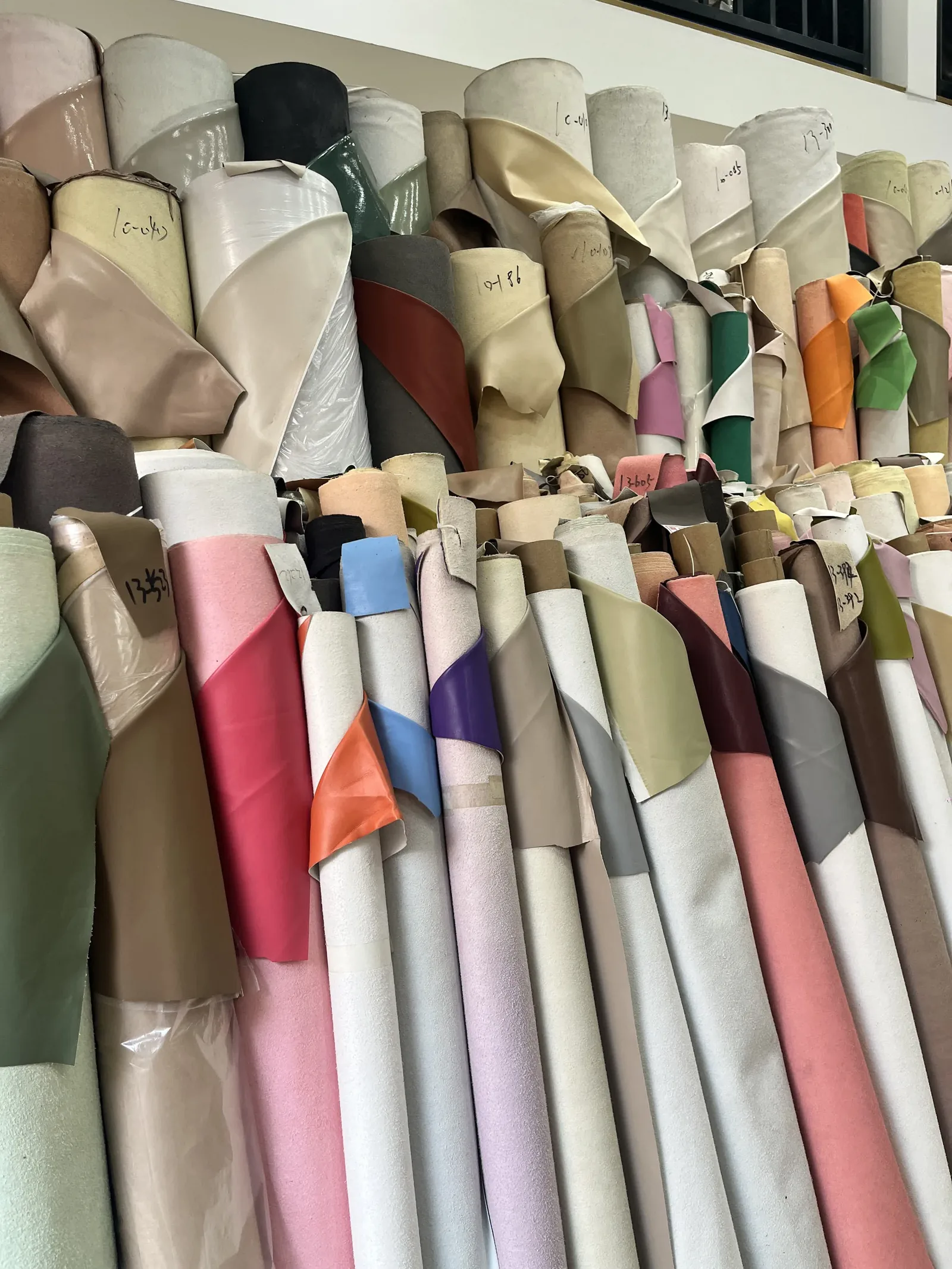
Send the same photo to five factories and you'll receive five quotes, sometimes 30% apart. The spread is rarely about efficiency — it's about what's inside the spec:
- Leather grade and origin — top-grain versus corrected grain, and where the hide was tanned
- Lining and insole — pigskin, sheepskin or fabric; molded footbed or flat foam
- Outsole quality — rubber compound and density vary enormously in price and durability
- Construction method — cemented, strobel or stitched constructions carry different labor and longevity
- Inspection depth — pair-by-pair final inspection costs money; its absence costs you returns
The fix is an itemized spec sheet. Ask every candidate factory to quote against the same written spec — materials named by grade, construction method stated, inspection standard included — and watch the 30% spread compress to a few dollars. What remains is the real difference between factories.
5. Working Backwards from Your Target Retail Price
The most useful habit we see in experienced buyers: never start from "what does it cost," start from "what does it retail for." Take your target shelf price, divide by your channel's multiplier (three to four for most marketplace and wholesale models), subtract your logistics and duties buffer, and you have the ex-works budget the product must fit inside. That number — not a vague sense of cheapness — is what to hand a factory.
A good factory can then do the valuable part: engineer the spec to your budget honestly. "At this ex-works target, here's the leather grade that fits, here's where we'd put the better outsole, and here's the one place we'd advise you not to economize." That conversation only happens when the buyer arrives with a retail target instead of asking for "best price."
At a Glance
- Ex-works price = materials (largest slice) + labor + packaging + overhead & margin, plus per-style development and tooling amortized across the run
- Gate to warehouse: inland freight, sea/air freight, duties and brokerage — compare trade terms on landed cost
- The multiplier: retail typically lands at roughly 3–4x ex-works once commissions, marketing and margin take their slices of the retail price
- Quote spreads between factories are usually spec differences — force itemized spec sheets and watch the gap compress
- Price backwards: retail target ÷ channel multiplier − logistics buffer = your ex-works budget; let the factory engineer the spec to fit it
Questions Buyers Ask
"Why do two factories quote 30% apart for the same shoe?"
Because the same photo can hide very different specs: leather grade, lining material, sole quality, cement vs strobel construction, inspection depth. A cheaper quote is usually not cheaper production — it is cheaper inputs. Ask both factories to quote against an itemized spec sheet and the gap usually shrinks to a few dollars.
"Who pays for freight and import duties?"
It depends on the trade term you agree. Under FOB the factory gets goods onto the ship and you take it from there; CIF adds freight and insurance to your port; DDP means the price includes delivery and duties to your door. Each shifts cost and risk — compare landed cost, not just the quoted number.
"How do I lower the ex-works price without hurting quality?"
Three levers that don't touch quality: consolidate colorways onto shared outsoles (tooling amortizes), narrow the size curve to your real demand, and book production outside peak season when lines have slack. The lever to avoid is downgrading the upper material one grade — that one shows up in your reviews.
Bring Us Your Target Retail Price
Send your style list and target shelf price — we will come back with an honest spec that fits the budget, and flag the places not to economize.
Get a Wholesale Quote Send an Inquiry